
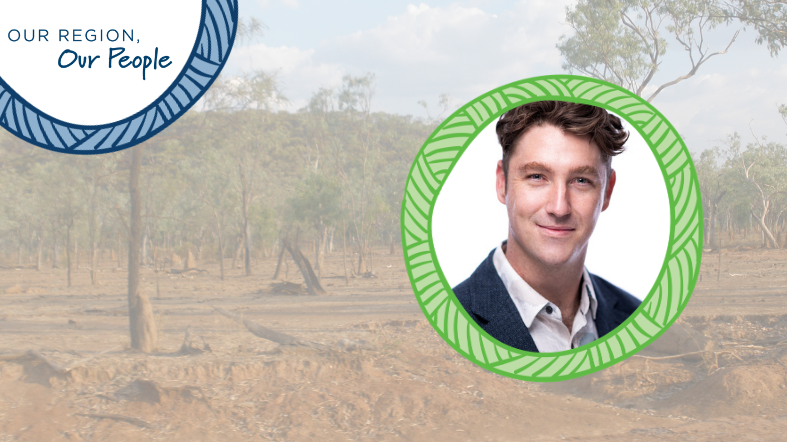
For Mount Garnet mother Megan Hay, finally getting answers for her children brought her family an overwhelming sense of relief.
Like many families living in rural communities, accessing autism and ADHD assessments meant travelling hundreds of kilometres, long waitlists, and hefty costs.
But when a clinical psychologist visited her community, everything changed.
The answers she needed came to her.
For Ms Hay, being able to access the assessments locally provided more than a diagnosis. They provided clarity, opened the door to early intervention and support, and offered reassurance that her children could receive the help they needed within their community.
“Being able to have all three of my children diagnosed and assessed by a clinical psychologist in the community has been a massive relief and prevented delays to them accessing early intervention and avoided the public system’s waitlist,” Ms Hay said.
“I am not in a financial position to have these assessments completed privately, so we’re very fortunate for the support.”
Ms Hay is one of several parents benefiting from the Multidisciplinary Team (MDT) program – an outreach allied health program delivering clinical psychology services to communities including Georgetown, Mount Garnet, and Croydon.
Since the program began, four children have been diagnosed with autism spectrum disorder (ASD) and attention deficit hyperactivity disorder (ADHD), while one adult has also received an autism diagnosis, providing local families with clarity, understanding and a pathway to vital support services.
Clinical psychologist Nicholas Chizzoni said for many families, receiving answers went far beyond the diagnosis.
“The overwhelming response has been relief and gratitude,” Nicholas said.
“Many families told me they had been waiting a long time for answers and simply didn’t have the financial capacity to travel to larger centres and pay privately for assessments.
Receiving an assessment locally removed a significant barrier and gave them a much clearer understanding of their child’s strengths, challenges, and support needs.”
Being able to have all three of my children diagnosed and assessed by a clinical psychologist in the community has been a massive relief and prevented delays to them accessing early intervention and avoided the public system’s waitlist
Mount Garnet mother Megan Hay
Nicholas said he’d heard similar stories from other families too.
“They’re often grateful to finally have answers after years of uncertainty, but they’re equally relieved that a diagnosis provides a pathway to support,” he said.
“Local education staff have also commented on the value of having these assessments available within the community, recognising that reducing barriers to diagnosis allows children to access the supports they need much sooner.”
The MDT program is helping to bridge the access gap.
“Rather than expecting families to travel hundreds of kilometres, take time away from work and school, or wait years for an assessment, we’re able to bring clinical psychology services directly into their community,” he said.
“Earlier assessment means earlier diagnosis where appropriate, earlier intervention, and earlier access to educational supports, NDIS funding, and other services that can significantly improve long-term outcomes.”
Nicholas completed his psychology internship in remote Australia and that’s where his passion for rural and remote practice began.
“Early in my career, I saw firsthand the challenges families faced in accessing high-quality mental health support and an accurate diagnosis, often travelling long distances or waiting years for support,” he said.
“Those experiences stayed with me, and I’ve continued servicing remote communities throughout my career.
“Since becoming a clinical psychologist, it’s been incredibly rewarding to bring neurodevelopmental assessment services directly to communities that otherwise have very limited access. I firmly believe that quality mental health care shouldn’t depend on your postcode.”
The MDT program is funded through Northern Queensland Primary Health Network (NQPHN) and aims to improve access to chronic condition management in these communities through a combination of face-to-face and telehealth services.