
When the parents of an 11-year-old girl discovered her researching ways to take her own life, they were faced with every parent’s worst nightmare.
So they reached out to someone she trusted, a northern Queensland CORES Suicide Prevention facilitator they knew.
What followed was not a counselling session or a clinical intervention. It was something much simpler, but just as powerful.
It was a conversation.
The girl, from the Mackay region, spoke to the facilitator about the issues upsetting her, including bullying, health challenges, and struggles with friendship groups.
The facilitator drew on the “River of Risk” model used in CORES training, which she could relate to as it helped her understand her situation. She was also able to identify some new coping skills, including writing and music.
The CORES facilitator asked her if she ever considered writing songs and expressing her feelings through music.
Today, she is preparing to join a youth music support group, where she can connect with others, build friendships, and continue developing healthy ways to navigate life’s challenges.
She remains supported by the facilitator, her family, and those around her, who are now more aware of the warning signs and better equipped to help when she needs it.
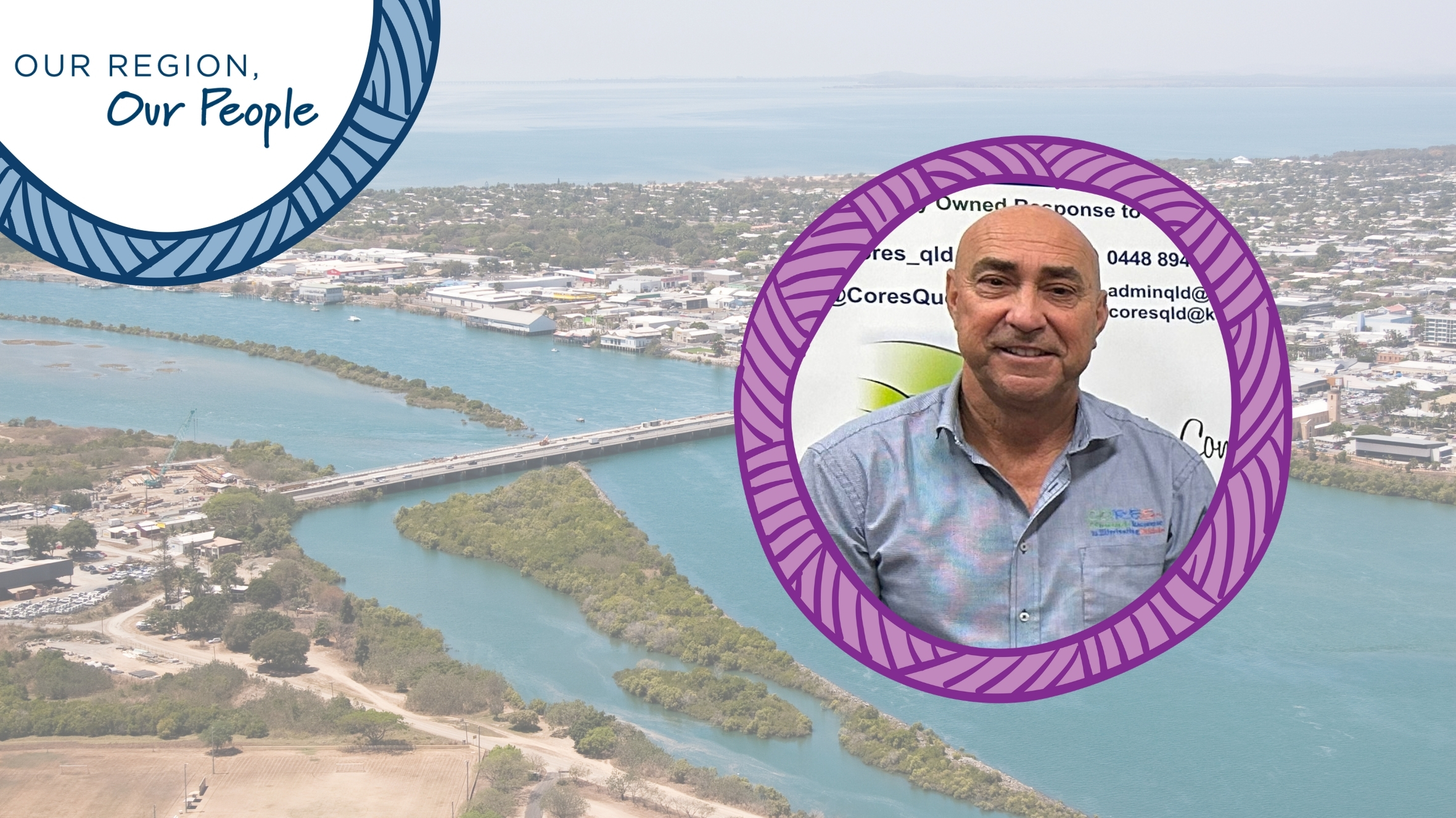
This is just one of the many stories CORES Queensland Coordinator and Counsellor Ross Romeo hears every day.
It’s why, he says, community-based suicide intervention training is so important.
“This training isn’t about creating experts or giving people a special qualification,” Mr Romeo said.
“It’s about helping people become what we call an Early Intervention Friend. Someone who knows what warning signs to look for, what to say, what to do, and where to go for help.
“While we realise this young girl’s frame of mind will bounce up and down, I believe she now has some more tools to help her deal with it all. I’m so grateful to all our facilitators and the people we train for wanting to help the community.”
Delivered under the philosophy of “By the Community, for the Community”, CORES Suicide Prevention training equips everyday people with practical skills to support someone who may be struggling, much like first aid training prepares people to respond in a medical emergency.
“We have so many great services, community groups, and support networks available. Often the biggest challenge is connecting someone with those resources early enough,” he said.
“Suicide prevention starts with connection. It starts with families, friends, neighbours, sporting clubs, schools, and workplaces having the confidence to start a conversation and help someone access support.”
Since 2008, CORES has helped build awareness, resilience, and confidence in communities across northern Queensland. Participants consistently report increased understanding of suicide prevention, greater confidence in responding to someone at risk, and appreciation for the practical, easy-to-understand tools they can use in everyday situations.
But for Ross, the real measure of success is not just participant numbers and program growth.
“We believe our impact is reflected in the people we train,” he said. “It’s also reflected in the growing number of people trained, stronger partnerships with support services, and local facilitators who are helping ensure the program continues to reach people where they live.
“For me personally, the greatest measure of impact is seeing this work will continue into the next generation.
“The biggest impact is connection within communities, families, and personal connection, which we believe is where suicide prevention starts.
The CORES Suicide Prevention Training FNQ is funded by Northern Queensland Primary Health Network through the Department of Health, Disability and Ageing.
"For me personally, the greatest measure of impact is seeing this work will continue into the next generation.
CORES Queensland Coordinator and Counsellor Ross Romeo
Other CORES stories of impact
“Shortly after completing the suicide prevention course, I was able to apply what I had learned when a friend was threatening suicide. The training helped me better understand what was needed in that situation and gave me the confidence to respond appropriately. As a result, I was able to support my friend and contribute to a positive outcome.”
Course participant
“The impact of this training was immediate. Just days after completing the course, one of our team members used the skills they had learned to support a friend experiencing a suicidal crisis. The training helped them understand how to respond appropriately and with confidence, contributing to a positive outcome. We are grateful for the opportunity to participate in this training and the difference it has made.”
Supervisor of a course participant
“Not long after I attended my first one-day intervention training, I noticed warning signs coming from an old friend. I reached out and discovered he was suicidal. Using what I had learned, I firstly just listened and tried not to fix everything. I walked beside my friend, supporting him for a few months, helping him get through a very rough period in his life. I feel like I have helped and I’m very grateful to be part of this team.”
Course participant
“I have had a few opportunities to use my new skills that I achieved through the Cores training. The first, was with a community member experiencing a mental health breakdown after being assaulted in a public place. I was able to sit and listen and provide him the opportunity to voice his thoughts and concerns, while waiting for an ambulance. The second opportunity was a community member in crisis and saying concerning things about taking their life. I was able to have an open conversation with them about the thoughts and then link them in with their GP to get some assistance.”
Course participant