
Rural Health Month is about celebrating the people and partnerships that help keep rural communities healthy.
Northern Queensland Primary Health Network’s (NQPHN’s) Integration and Partnerships Specialists connect with communities and health services to understand local needs, identify gaps and opportunities, and help inform planning, commissioning, and better-connected care.
Meet NQPHN’s Steve, Patricia, and Mia and find out why they love working in our rural communities.
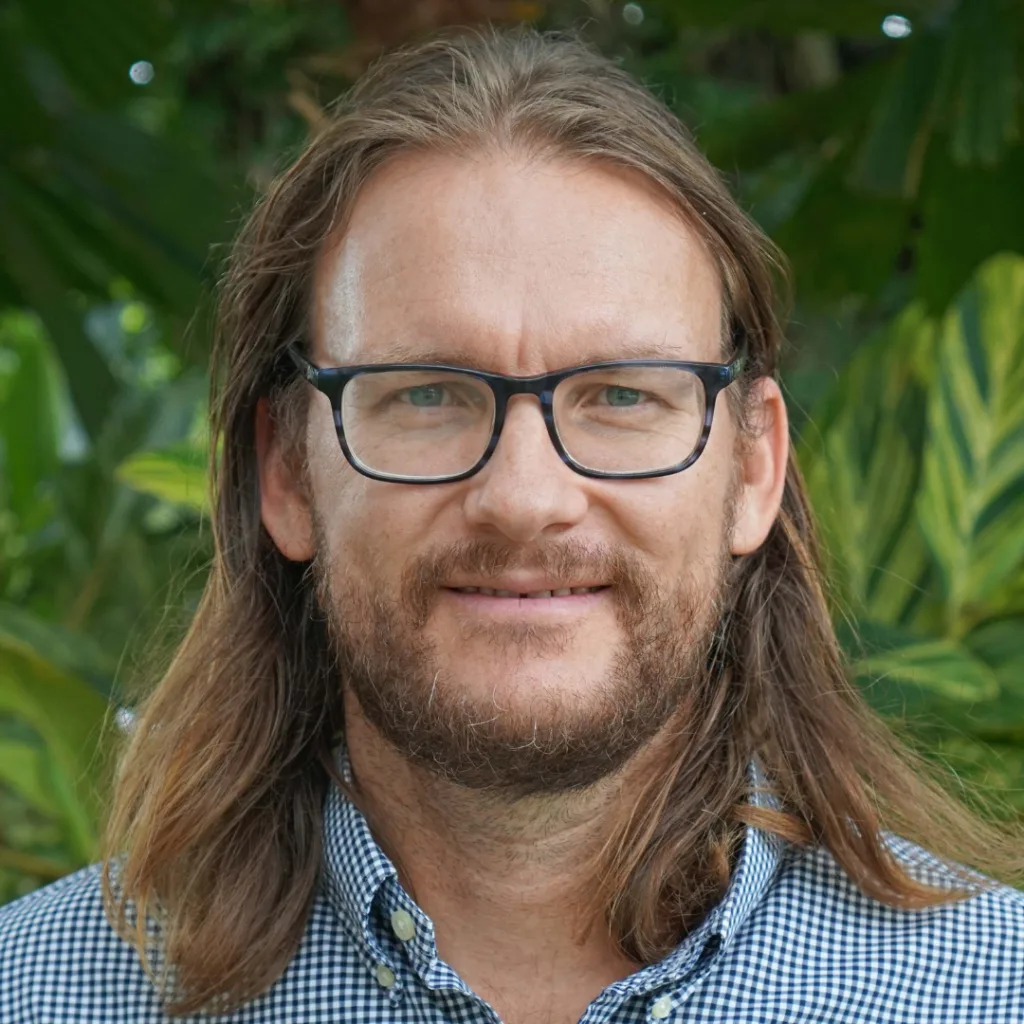
Steve Grasso
NQPHN Integration and Partnerships Specialist Cairns and Hinterland and Torres and Cape regions
“I really enjoy connecting people who might not otherwise work together and finding solutions to local challenges.”
Read what Steve has to say
Please describe your role and what it involves.
We often say that we are the “eyes and ears” of NQPHN across the region. For me, that means being out in the community building relationships and understanding firsthand what is working, what isn’t, and where the gaps are. My role is then to connect that local knowledge back into NQPHN, bring the right people together, and help find practical ways forward.
What do you enjoy most about your role?
Bringing people together and solving problems. I really enjoy connecting people who might not otherwise work together and finding solutions to local challenges.
Why do you like working with rural and remote communities in northern Queensland?
Rural and remote communities in northern Queensland face some unique challenges, particularly when it comes to accessing health care and services. Being from the bush myself, I’ve always had a connection with these communities. I enjoy being able to work with local people, understand what matters to them, and hopefully play a small part in making things better.
What are you most proud of achieving in your role? If you can, please provide an example of a positive impact your work has had on rural or remote communities.
While visiting Cow Bay in the Daintree, I was surprised to learn how little access the community had to allied health services. Through some conversations and connections, a visiting allied health service was subsequently able to support the community. I’m proud to have played a part in making that connection and helping improve access to care.
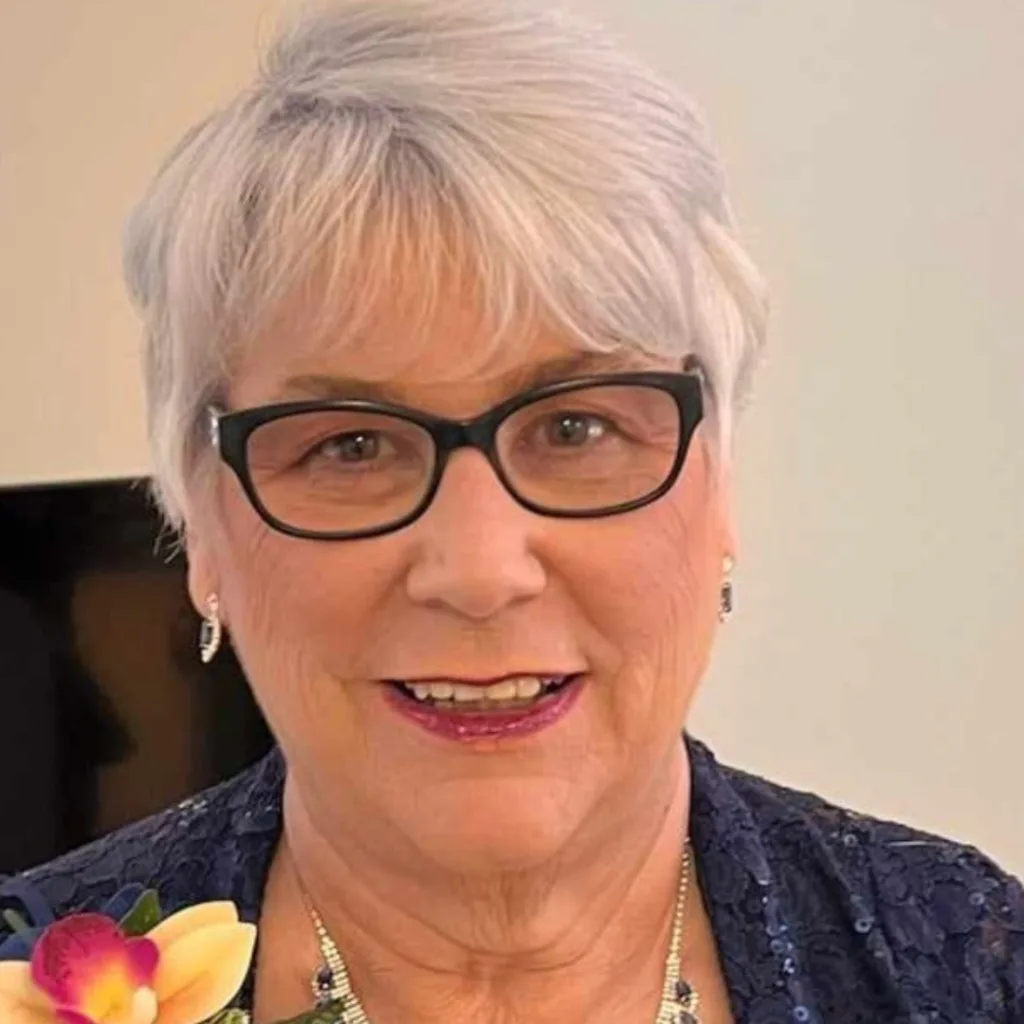
Patricia Taylor (Tricia)
NQPHN Integration and Partnerships SpecialistTownsville region
“Seeing those connections turn into real results for communities is what I love most about my role.”
Read what Patricia has to say
Please describe your role and what it involves.
As an Integration and Partnerships Specialist in Townsville, I build and maintain strong relationships with practices, health services, and community organisations across Townsville HHS district, and the wider NQPHN region. I manage projects with internal and external partners, keep across emerging primary care innovation, research and reform, and write briefings that capture regional needs. In short, I help connect the right people so our health system works better for rural and remote communities.
What do you enjoy most about your role?
I most enjoy connecting people with one another. When we collaborate and work to our individual and organisational strengths, we achieve so much more together, and that means residents across northern Queensland have improved access to services and better health outcomes. Seeing those connections turn into real results for communities is what I love most about my role.
Why do you like working with rural and remote communities in northern Queensland?
Rural and remote communities in northern Queensland are resilient, welcoming, and proud, and they truly look out for one another. Starting out as an Enrolled Nurse taught me that care is about people, and that has stayed with me. In previous roles, I trained First Nations health practitioners to deliver care on Country, and I have worked in the private sector, Aboriginal Community Controlled Health Organisations (ACCHOs) and Hospital and Health Services (HHSs). That breadth gives me an understanding of how each part of the system works, and helps me to listen, advocate and build culturally responsive partnerships that put community voices and strengths first. I feel privileged to be trusted by these communities and to help them get the care they deserve close to home, on Country.
What are you most proud of achieving in your role? If you can, please provide an example of a positive impact your work has had on rural or remote communities.
I am most proud of the International Medical Graduate (IMG) resource I developed with IMG doctors to fill a local need in our region. Because it was shaped by doctors who have lived the experience, it speaks directly to what practices and overseas trained doctors need. It has been shared across the region and at RDAQ, IMG Elevate, and RMA2026 in Adelaide, and has been received so well by practices, practice staff, and overseas trained doctors already working in our region, as well as those looking to join us. Helping to welcome and support doctors in rural communities, and strengthen local access to care, is what makes me smile most.
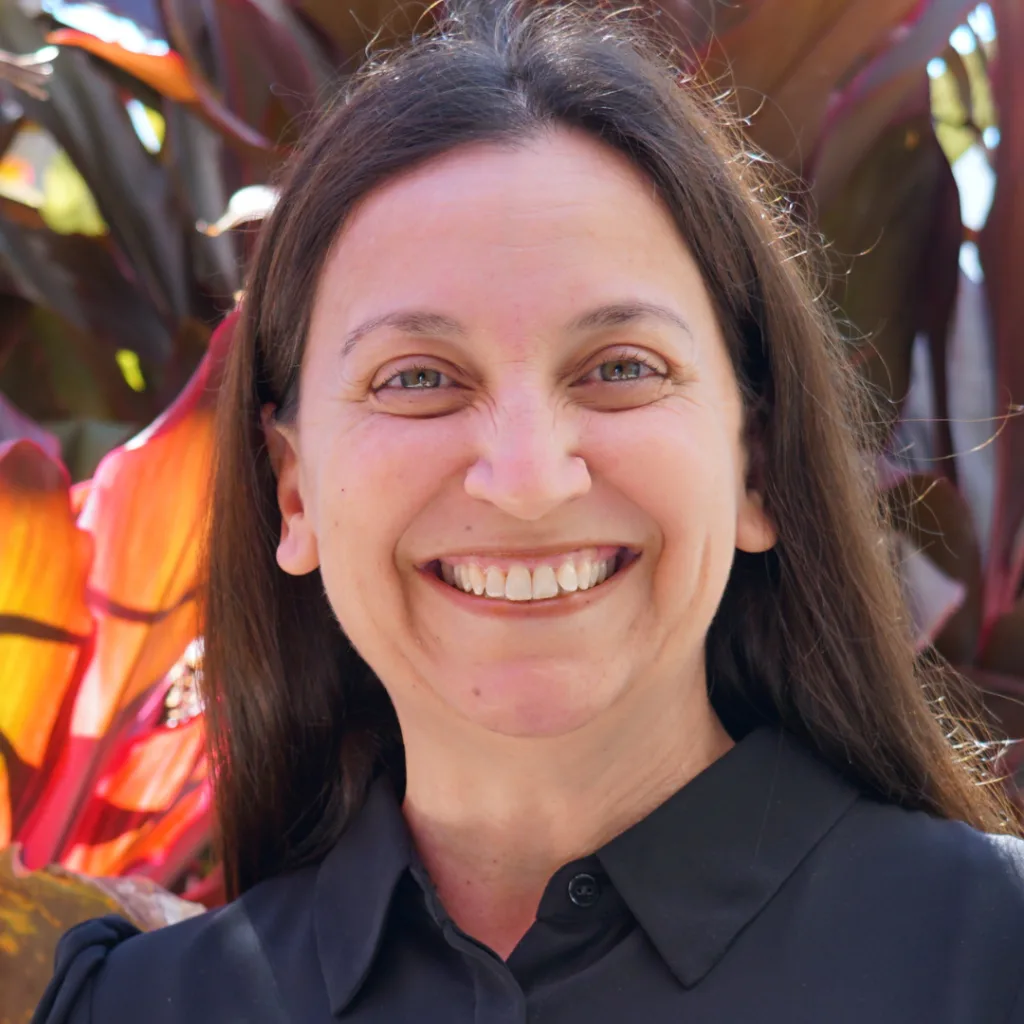
Mia Sammut-Landt
NQPHN Integration and Partnerships SpecialistMackay region
“It is important to be in a rural community to really understand the place, rather than make assumptions from a distance.”
Read what Mia has to say
Please describe your role and what it involves.
The IPS role connects NQPHN with local communities and services to understand what’s happening on the ground and help turn that knowledge into better planning, partnerships, and responses.
What do you enjoy most about your role?
Meeting and talking to people and relationship building.
Why do you like working with rural and remote communities in northern Queensland?
It is important to be in a rural community to really understand the place, rather than make assumptions from a distance. This means that you get to know the communities and people quite well and develop genuinely authentic relationships.
What are you most proud of achieving in your role? If you can, please provide an example of a positive impact your work has had on rural or remote communities.
It’s not one thing or project, it’s more the experiences I’ve had in knowing that my colleagues can rely on me. Whether they need local information, a connection into community, or support to co-design or consult, I feel trusted by them to help move the work forward.