
Our priority areas
Six priorities, and the projects delivered under each during 2025–26.
Introduction
Where we invested, and why
NQPHN organises its work into six priority areas. Each is set by the Joint Regional Needs Assessment, which draws together regional health data, service mapping and consultation with clinicians, providers and communities.
The needs assessment tells us where the gap between need and available care is widest. Our commissioning decisions follow it, and our evaluation reports back against it. What follows sets out each priority area and the featured projects delivered under it during the year.
Priority area 01
Healthy communities
Healthy communities focuses on improving health and wellbeing by commissioning responsive, locally informed services and initiatives, with a strong emphasis on better outcomes for First Nations peoples. We support continuous improvement through evaluation, health literacy, and the active involvement of the health workforce and people with lived and living experience in service design.
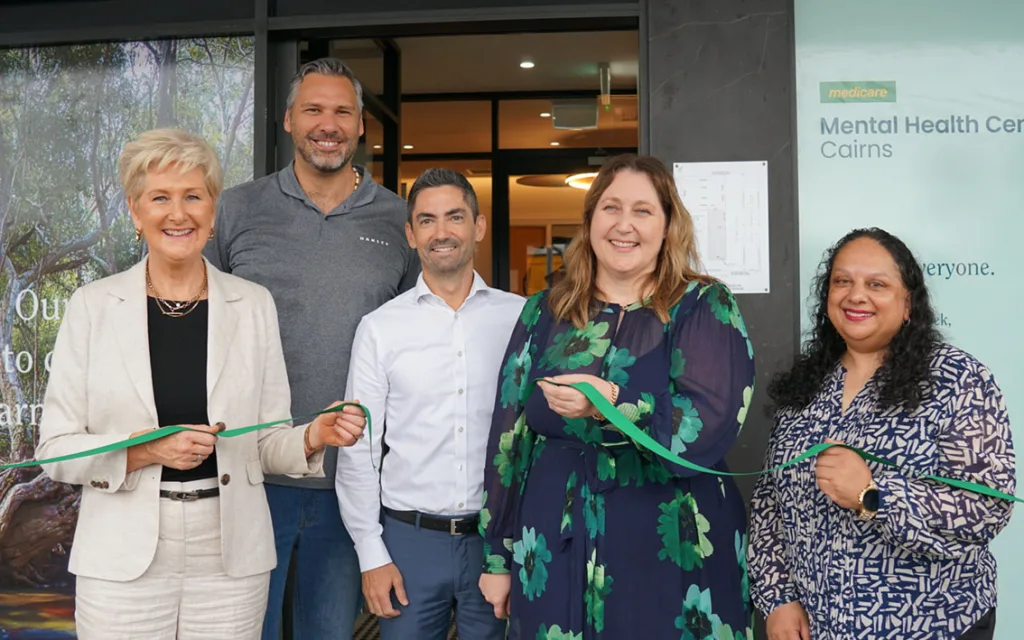
Medicare Mental Health Centres - Cairns and Mackay
NQPHN reached a major milestone in expanding access to mental health support across northern Queensland by opening the Cairns Medicare Mental Health Centre on 15 April and announcing a new Medicare Mental Health Centre for the Mackay region, scheduled to open in 2026-27. Established in partnership with Cairns and Hinterland Hospital and Health Service (HHS), the Cairns centre is delivered by service provider Mind Australia and provides a free, accessible option for people seeking mental health support.
In Mackay, NQPHN has commissioned Grand Pacific Health, in partnership with Mackay HHS, to deliver a new walk-in service that will provide free mental health support and connect people with ongoing care when it opens next financial year. Together, these centres are helping ensure more people across northern Queensland can access timely, welcoming, and coordinated mental health support close to home.
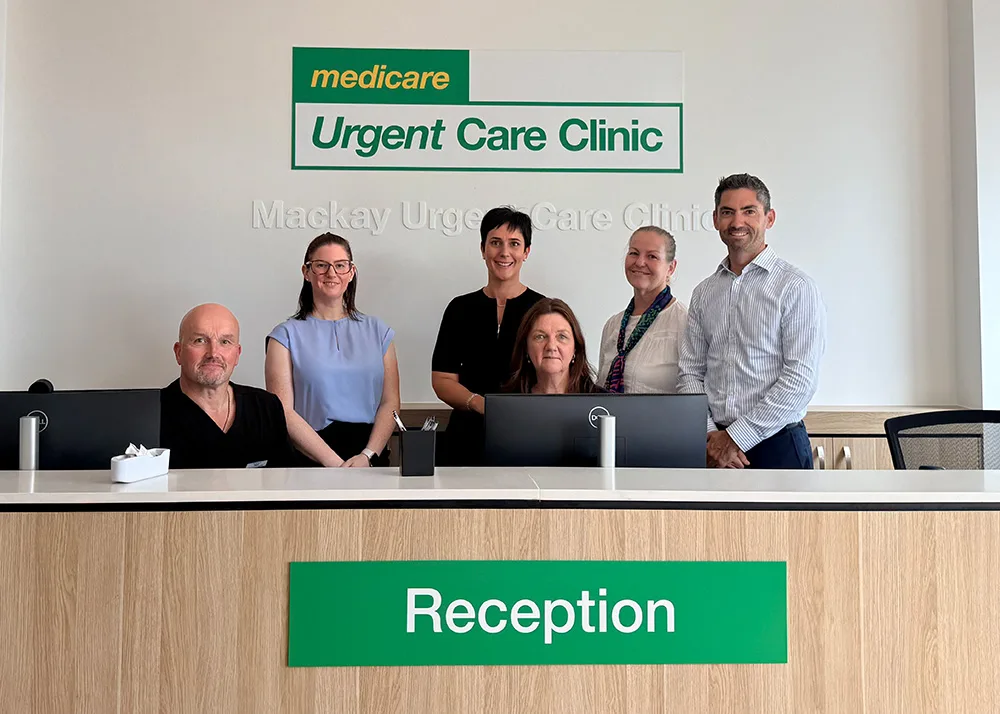
Medicare Urgent Care Clinics - Mackay and Cairns North
Northern Queensland Primary Health Network (NQPHN) expanded access to urgent healthcare across the region by opening two new Medicare Urgent Care Clinics in March 2026. The Mackay Medicare Urgent Care Clinic officially opened on 13 March 2026 at Eastbrooke Ambrose Family Medical. Operating in partnership with Bupa, the clinic is helping increase access to urgent care services for Mackay’s growing population and the greater Mackay-Whitsunday region.
The Cairns North Medicare Urgent Care Clinic, located in Smithfield, opened on 18 March 2026 in partnership with Smithfield Central Doctors. The clinic provides timely care for patients with urgent, non-life-threatening conditions that require prompt attention but can be safely managed outside a hospital emergency department. Together, these new clinics are improving access to appropriate, convenient healthcare closer to home while helping reduce pressure on local emergency departments.
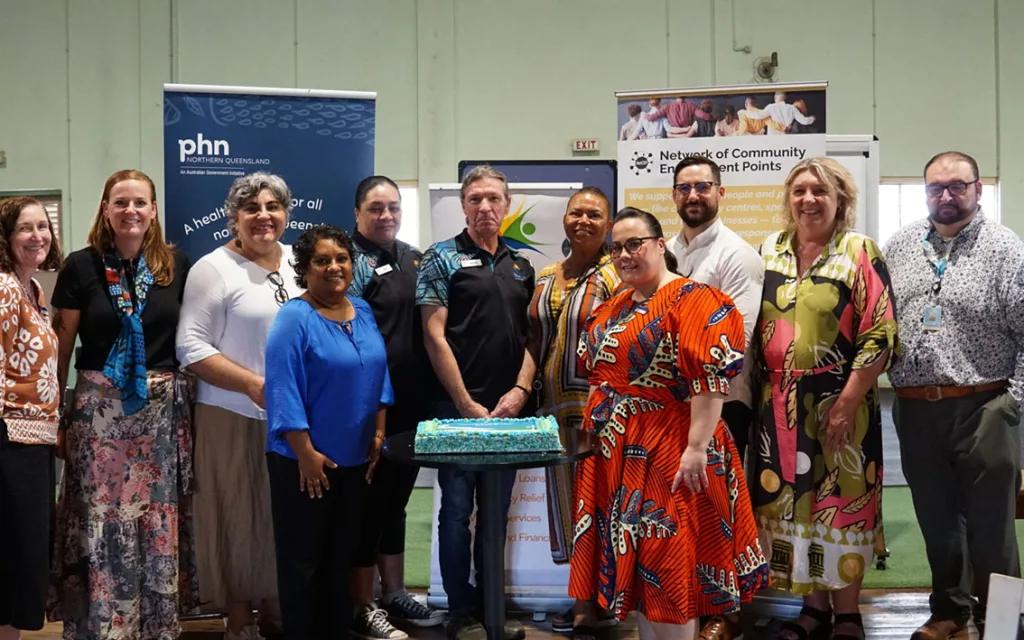
Distress Brief Support
The new community led Distress Brief Support (DBS) Initiative has helped more than 250 residents in the Mareeba Shire and Atherton Tablelands who are experiencing stress and everyday overwhelm. Distress Brief Support gives people somewhere to turn when life feels overwhelming or stressful. Local health partners and community members gathered in Dimbulah and Ravenshoe in February 2026 to celebrate the official launch of the region’s DBS Initiative – one of only two trials in Queensland, and six in Australia.
Priority area 02
Health equity
Health equity focuses on ensuring everyone can access safe, appropriate, and quality care, particularly First Nations peoples and rural, remote, and priority populations. We embed equity in investment and service design, support First Nations-led and culturally safe approaches, strengthen local access and coordination, advance Indigenous Data Sovereignty, and work with communities and partners to address the structural causes of poor health outcomes.
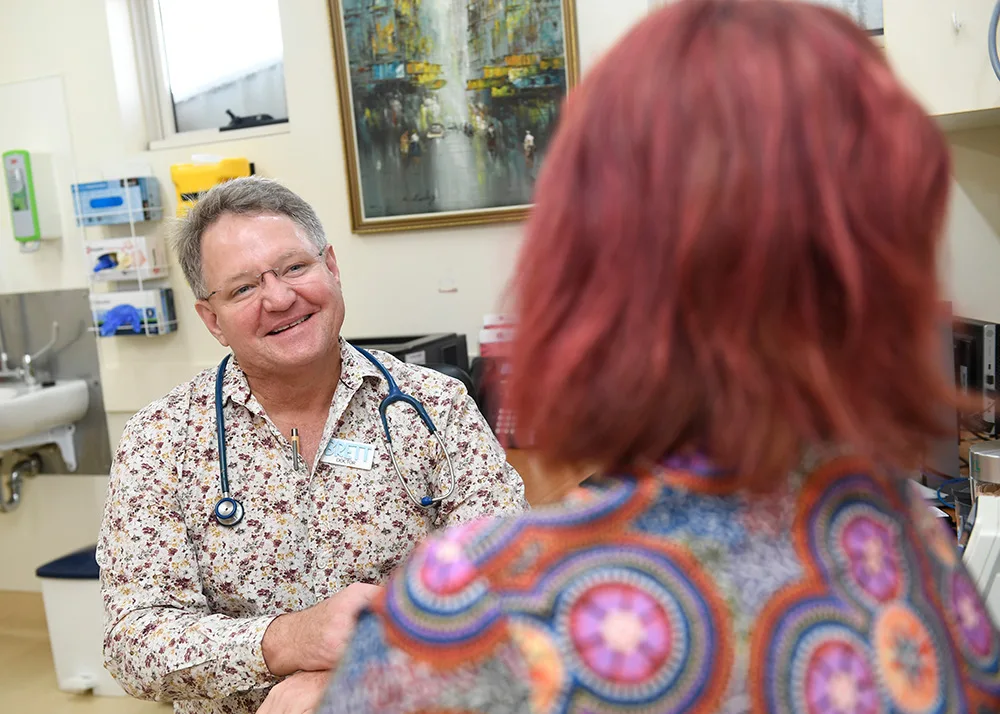
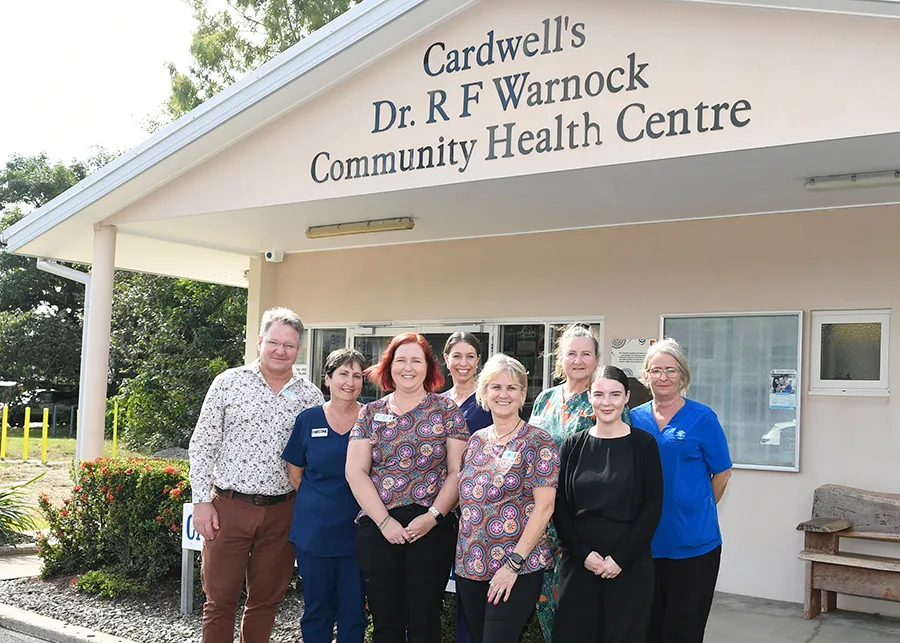
Thin Markets - Cardwell and Clermont
NQPHN continued its commitment to sustaining access to primary healthcare in communities facing workforce and service challenges through its Thin Markets initiative.
Continue reading...
Following the sudden departure of Clermont’s local GP, extensive work was undertaken to stabilise primary care services in the community. In June 2026, the Royal Flying Doctor Service (RFDS) was appointed to deliver an interim service arrangement while a long-term solution is developed. This approach has been guided by close collaboration with local stakeholders, with NQPHN continuing to work towards a sustainable, fit-for-purpose model that supports the ongoing viability of primary healthcare in the Isaac region.
In July 2025, the Cardwell community celebrated the transition of Cardwell Medical Practice back to a private, locally operated medical service, marking an important milestone for local healthcare provision. Cardwell became the second northern Queensland community to benefit from the Thin Markets initiative, designed to strengthen access to primary care in areas with limited services. The successful transition reflects the positive impact of collaborative efforts to support resilient and sustainable healthcare services in rural and remote communities.
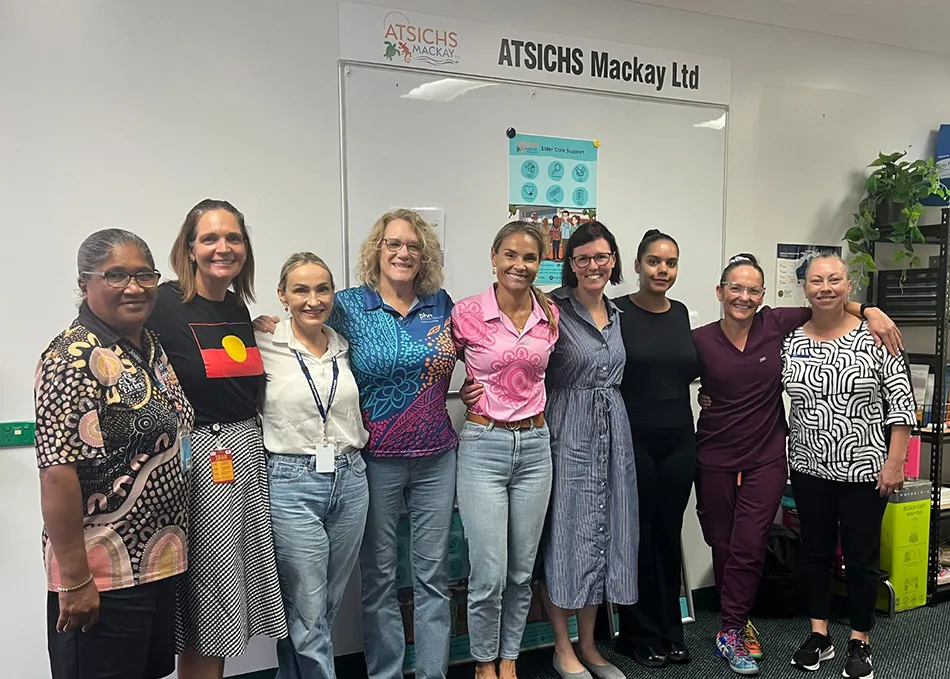
Care on Country pilot
The Care on Country pilot project is being piloted with Palm Island Community Company and Townsville Aboriginal and Islander Health Services.
Continue reading...
The project aims to keep women safely on country for longer during pregnancy. It includes the delivery of a range of services focusing on women’s and children’s health, particularly in the areas of contraception, complex gynaecological care, and pregnancy-related diagnostics and screening.

BLOOM pilot
The BLOOM pilot project, aims to develop and trial a place-based, integrated model of trauma-informed primary care for women, children, and young people using crisis or temporary accommodation and services due to family, domestic, and sexual violence in the wider Cairns region.
Continue reading...
Informed by the 2024 Hunter New England and Central Coast PHN pilot, the model focuses on improving access to high-quality, holistic care.
Given that most shelter clients are First Nations women and children, with many also from culturally and linguistically diverse backgrounds, the outreach team prioritise respectful, culturally safe care. The project also supports broader social determinants of health and aligns with Closing the Gap initiatives. Two shelters were initially identified to receive in-reach services from general practitioners and/or nurse practitioners. Following one shelter’s decision to opt out, the service model was expanded to include other community-based services. Wheels of Wellness and Mookai Rosie deliver general practitioner and nursing services, while a specialised nurse practitioner supports the Atherton community.
Priority area 03
Healthy system
Health system focuses on building a more integrated and coordinated health system that is easier for consumers and the health workforce to navigate. We work with partners to strengthen referral pathways, connect services, improve access, equity and cultural safety, and support collaboration and innovative multidisciplinary models of care.
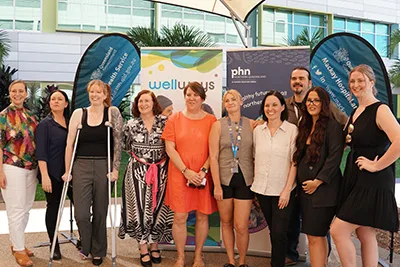
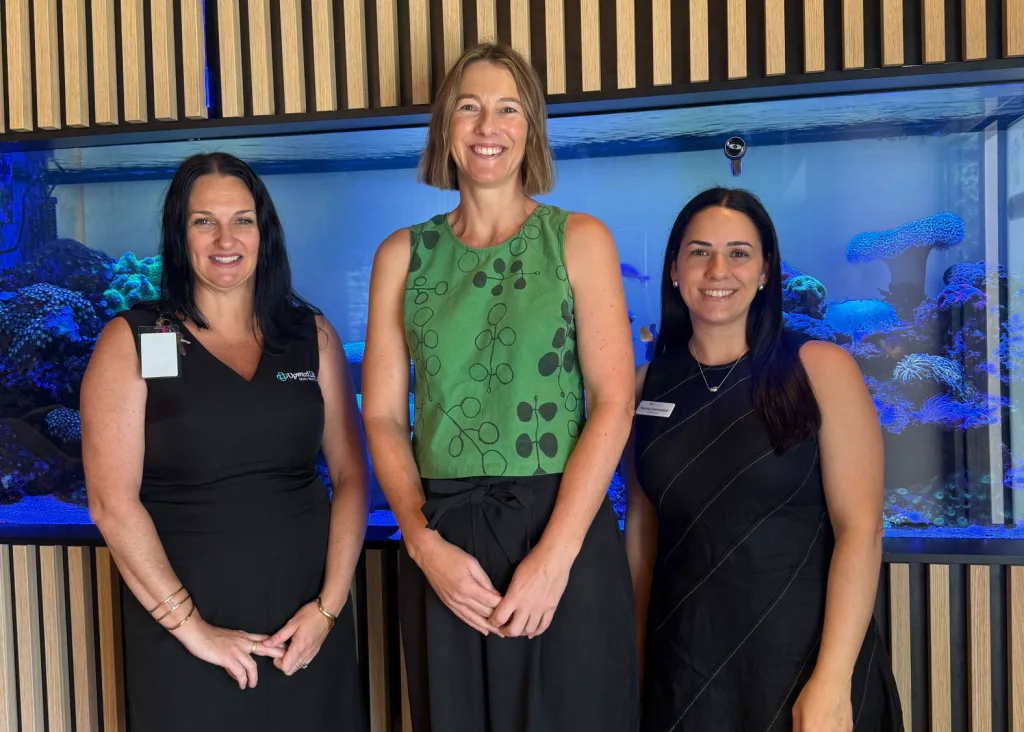
Older Persons Medication Management pilot
NQPHN partnered with the Pharmaceutical Society of Australia to expand the medication management pilot project for older people.
Continue reading...
Older residents across Cairns and the Atherton Tablelands can now access a pharmacist directly within their general practice, as the Older Persons Medication Management Pilot Project expands in northern Queensland.
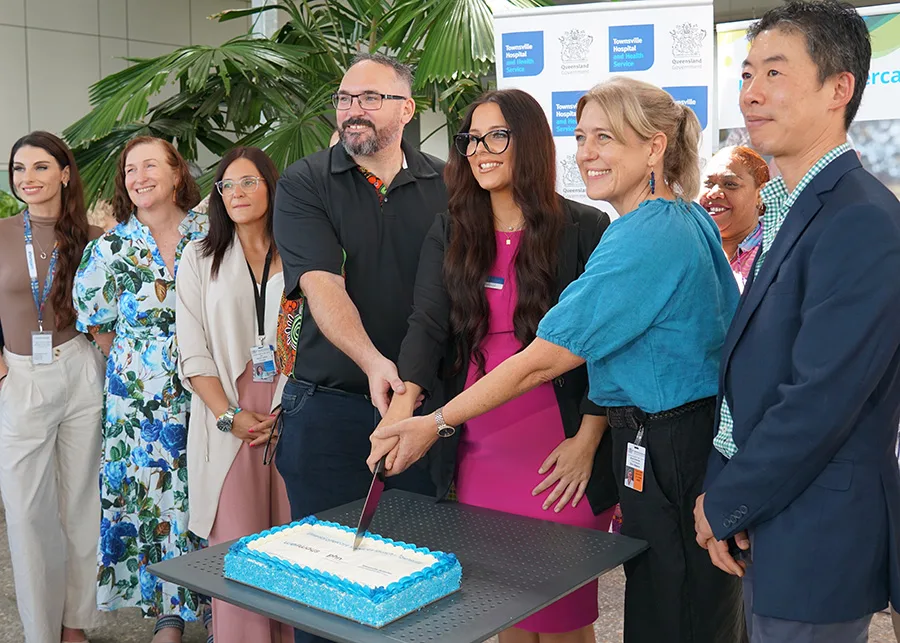
Universal Aftercare - Townsville and Mackay
The region’s suicide prevention response was strengthened through the launch of Universal Aftercare programs in Mackay and Townsville.
Continue reading...
Designed to support people aged 15 years and over who have attempted suicide or are experiencing a suicidal crisis, the services provide coordinated, person-centred care to help individuals navigate what can often be a complex recovery journey. The programs were officially launched in August 2025, with local partners gathering at Mackay Base Hospital and Townsville University Hospital to celebrate this important milestone and the collaborative partnerships underpinning service delivery.
The Mackay Universal Aftercare program was officially launched on 12 August 2025, followed by the Townsville program on 19 August 2025. Together, these initiatives expand access to timely and compassionate aftercare support across northern Queensland, reinforcing the critical role of collaboration in improving mental health outcomes and helping prevent future suicidal crises.

Localised Multi-Disciplinary Allied Health Models of Care
NQPHN’s Multidisciplinary Allied Health Teams program aims to improve access to chronic condition management for rural and remote communities through a blended model of face-to-face and telehealth services.
Continue reading...
The program strengthens collaboration between general practices and allied health professionals, supports improved outcomes for people living with chronic conditions, and builds local market capacity to deliver care closer to home. Three thin market locations in NQPHN’s western corridor were selected using service gap data and consultations undertaken by the Integration and Partnerships and Health Priorities Teams. A co-design process was then used to tailor services to local community needs, address gaps in chronic condition management, and strengthen service connections between rural communities and regional centres.
Priority area 04
Healthy workforce
Health workforce focuses on building a supported, sustainable, and connected health workforce through capacity building, workforce development, peer support and strengthened emergency preparedness. We partner with the health workforce and other stakeholders to foster innovation, improve cultural capability, and support the delivery of accessible, coordinated, efficient, and culturally safe care.

Rural Workforce Enhancement Project and ''Want to Live and Work in Paradise" campaign
The Rural Workforce Enhancement Program supports the recruitment and retention of primary care professionals relocating to the North Queensland region, with particular focus on those regions at risk.
Continue reading...
The program is delivered by NQPHN in partnership with Health Workforce Queensland. It includes targeted recruitment campaigns, funding to support relocation and resettlement, and upskilling programs. This initiative is making a significant difference to the sustainability of regional, rural, and remote general practice in northern Queensland. Since the program’s inception, the Workforce Enhancement Program has supported relocation activities for 90 clinicians, including 48 general practitioners, to northern Queensland.
NQPHN worked with local health providers in our region to profile their communities and highlight their work, as part of the ‘Want to Live and Work in Paradise?’ video series. The campaign launched in November 2025 and showcases the rewarding careers and lifestyle opportunities available across northern Queensland’s primary health care sector, as part of the Rural Workforce Enhancement project. The first series featured Cairns, Cannonvale, Townsville, Mossman/Port Douglas, Yarrabah, and Mission Beach. The second series will feature Yungaburra, Charters Towers, Mackay, Innisfail, Sarina, and Cooktown.
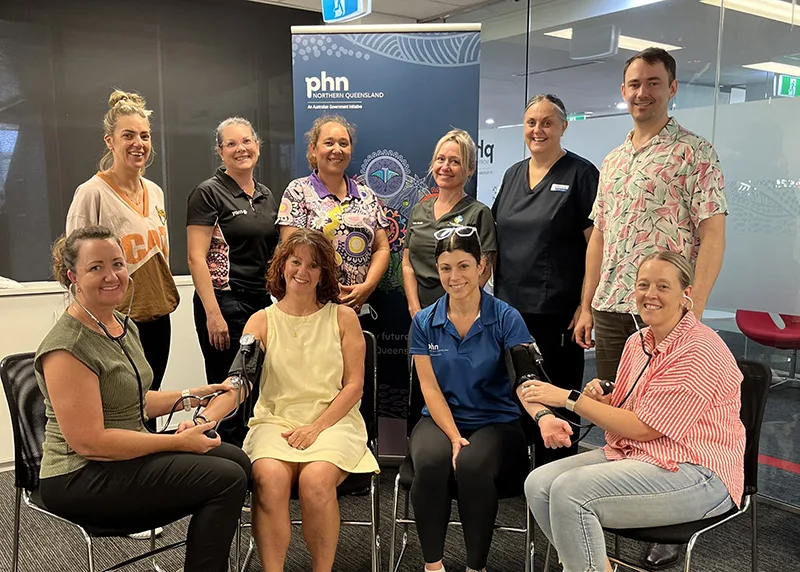
Continuous Professional Development
NQPHN continued to strengthen primary care workforce capacity and capability through its Continuing Professional Development (CPD) program and ongoing engagement with general practitioners and primary care professionals across the region.
Continue reading...
By providing access to high-quality educational opportunities and maintaining strong relationships with healthcare providers, NQPHN supports responsive, sustainable primary care services that meet the evolving needs of communities across northern Queensland.
Over the year, the Primary Care Engagement Team coordinated a broad range of CPD activities designed to enhance clinical knowledge, build professional networks and support best-practice care. These initiatives play a critical role in equipping the primary care workforce with the skills and knowledge needed to respond to increasing demand for healthcare services.
CPD program highlights (2025-26)
93 CPD events delivered across northern Queensland
1,716 total attendees
Cairns and Hinterland HHS: 35 events, 605 attendees
- Townsville HHS: 29 events, 458 attendees
- Mackay HHS: 24 events, 396 attendees
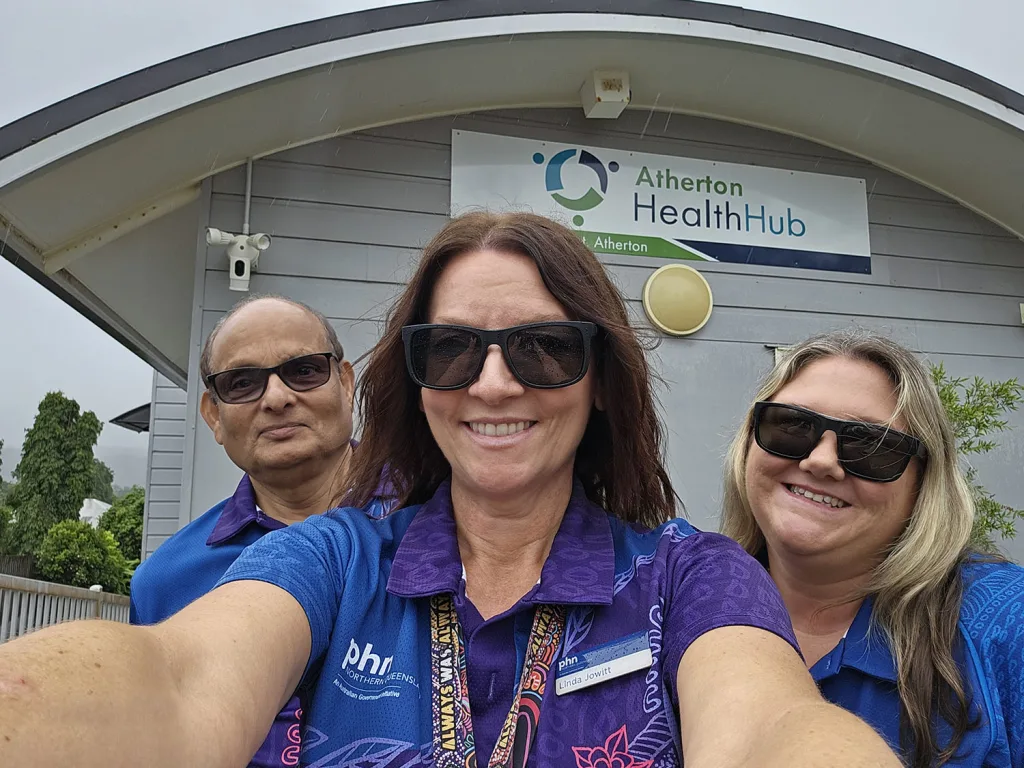
Quality Quest
Over the past 12 months, the NQPHN Primary Care Engagement (PCE) Team successfully implemented the Quality Quest Engagement Framework, bringing together quality improvement, population health, digital health, and practice support activities under one clear and recognisable banner.
Continue reading...
Through Quality Quest, the team delivered structured, quality improvement-focused practice engagement aligned with PIP QI requirements, accreditation standards, and local health priorities, while maintaining responsive support across all areas of general practice. Key initiatives included the introduction of a new Practice Data Dashboard to support data-informed conversations, enhanced use of Primary Sense reporting, targeted coaching and quality improvement visits, and the development of consistent tools, resources, and methodologies to strengthen practice capability.
The framework has provided practices with a more coordinated and practice-led approach to continuous improvement, reducing engagement fatigue, improving data literacy, and supporting measurable improvements in patient care and population health outcomes. Further development will see Quality Quest establish a platform to recognise and celebrate practice achievements through challenges, case studies, and shared learning opportunities, to reinforce a culture of continuous quality improvement across northern Queensland.
Priority area 05
Healthy intelligence
Healthy intelligence focuses on advancing healthcare through shared data, evidence-based insights, and digital innovation that improve regional planning, investment, and health outcomes. We work with partners to strengthen data sharing, integrate digital health systems, and enhance internal infrastructure and processes to support efficient, transparent, and data-driven decision-making.
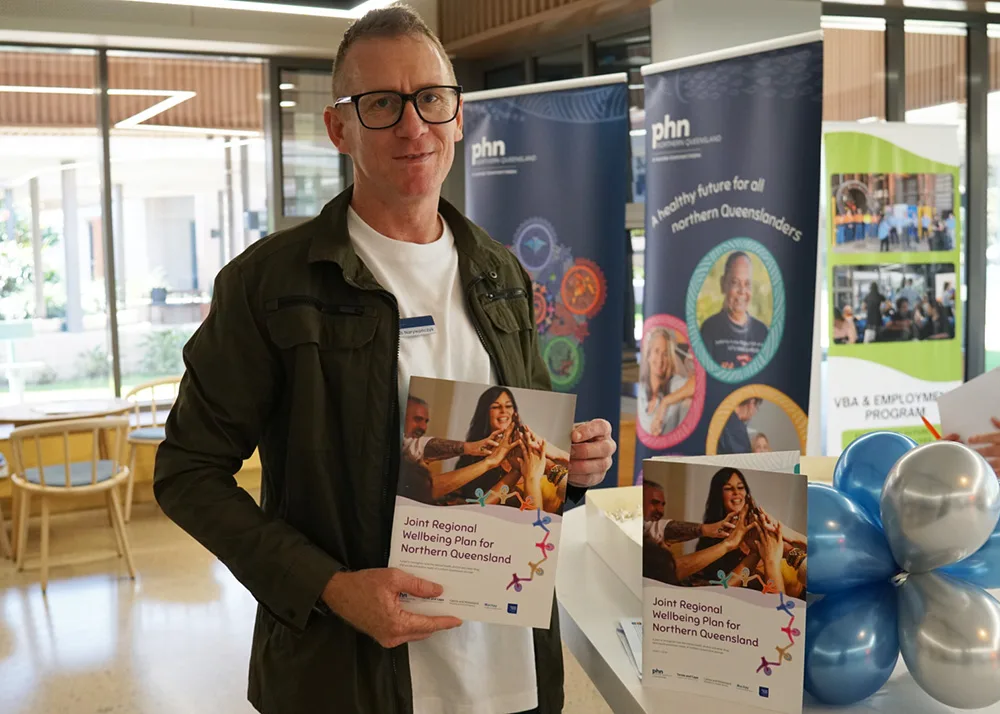
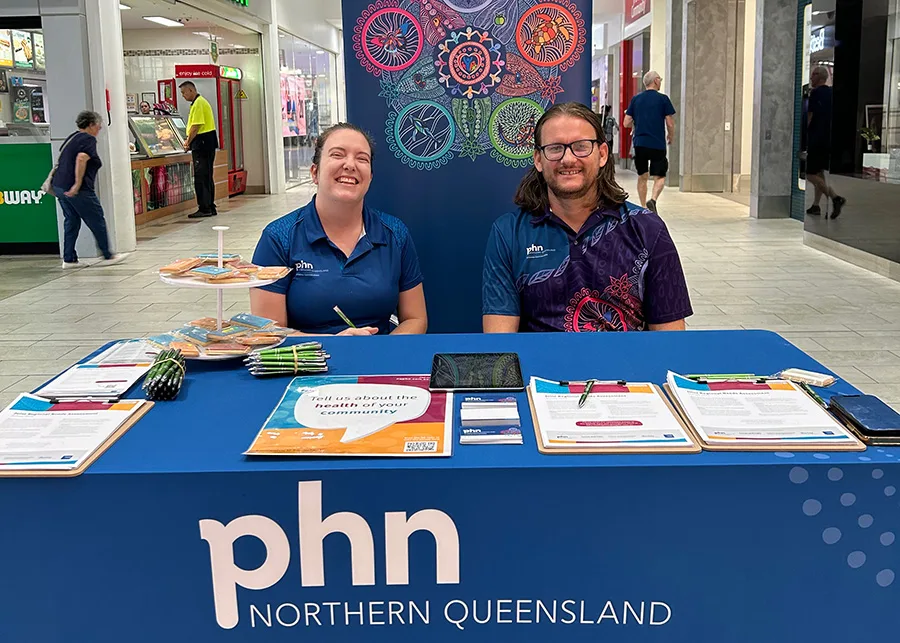
Joint Regional Needs Assessment
NQPHN, in partnership with the Torres and Cape, Cairns and Hinterland, Townsville, and Mackay Hospital and Health Services, released its 2025-2028 Joint Regional Needs Assessment (JRNA) – a comprehensive assessment of current and emerging health needs across the region.
Continue reading...
The JRNA draws on extensive community input, lived experience, and robust health data to guide where investment, innovation, and collaboration will have the greatest impact.
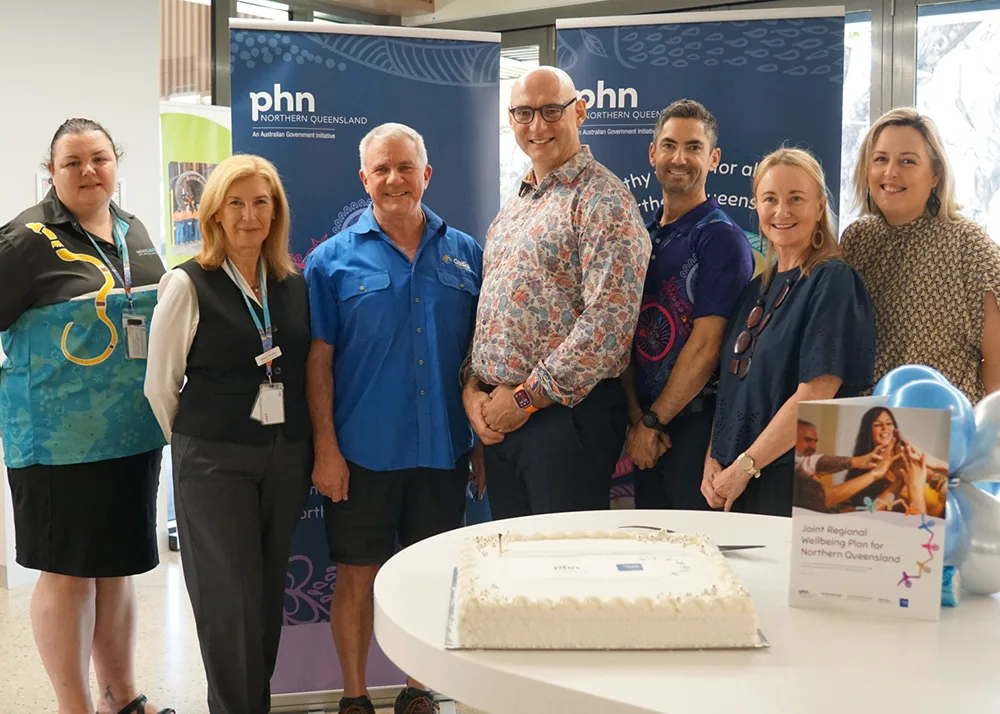
Joint Regional Wellbeing Plan
The new Joint Regional Wellbeing Plan (JWRP) was launched in October 2025.
Continue reading...
The plan sets out a shared vision among key health organisations across the region to strengthen mental health, AOD, and suicide prevention services in northern Queensland. The plan draws on input from lived experience voices, First Nations communities, community members, government, non-government organisations (NGOs), and local service providers. Regional working groups have been established to progress actions from the plan.
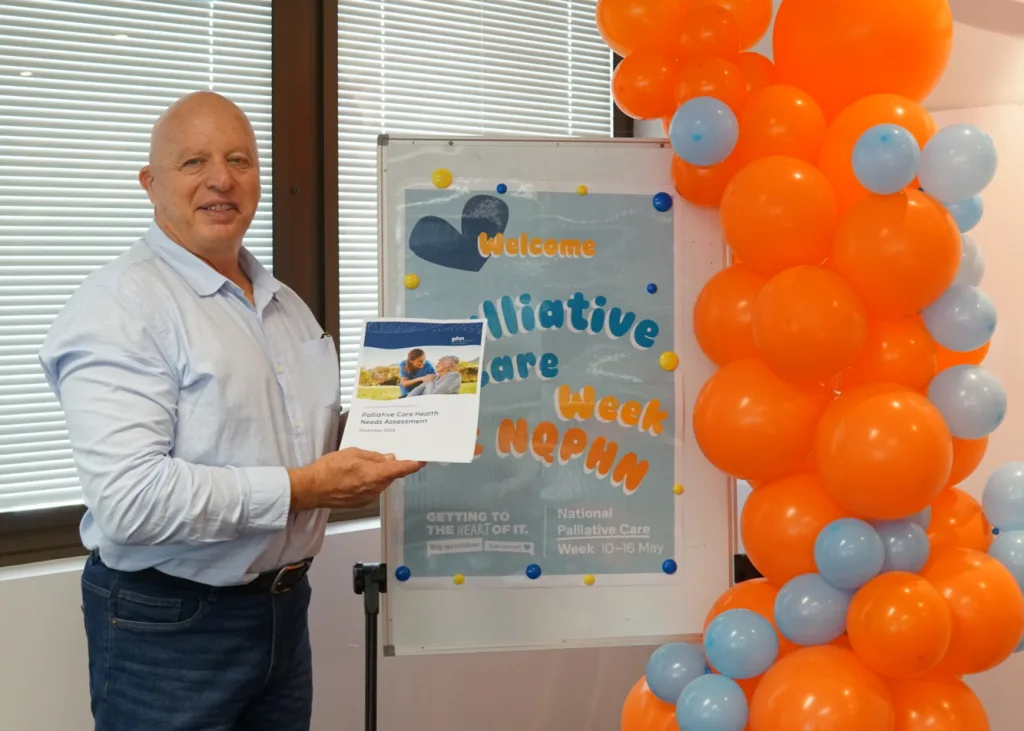
Palliative Care Needs Assessment
The NQPHN Palliative Care Health Needs Assessment outlines current and emerging needs across our region.
Continue reading...
Developed as part of the Australian Government’s Greater Choices for At Home Palliative Care program, the report brings together data analysis and stakeholder insights to inform planning through to 30 June 2029.
Priority area 06
Healthy organisation
Healthy organisation focuses on building a high-performing, values-driven and culturally safe organisation, supported by a capable and engaged workforce. We strengthen governance, financial sustainability, brand recognition, and cultural capability to operate effectively and clearly demonstrate our impact to stakeholders and the community.
First Nations Impact Strategy
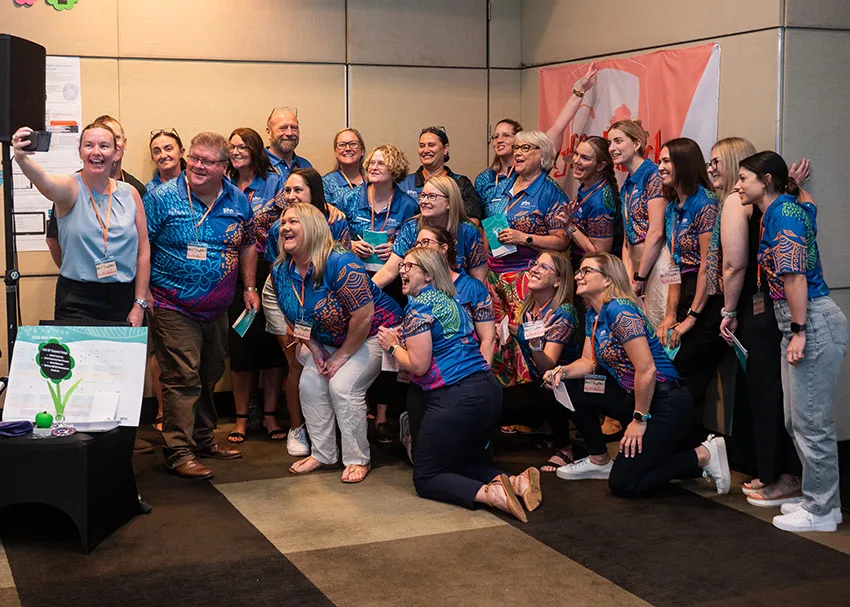
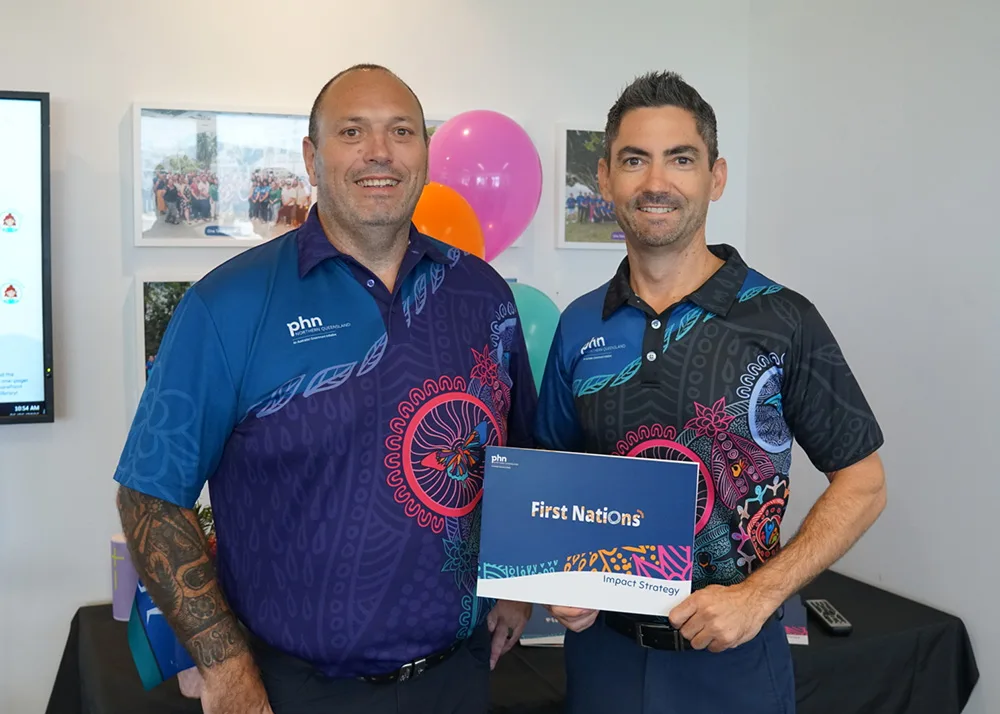
NQPHN launched its First Nations Impact Strategy on 6 May 2026.
Continue reading...
The strategy is our commitment to working in genuine partnership with Aboriginal and Torres Strait Islander peoples and communities in ways that recognise their strengths, leadership, and cultural knowledge. By working together, we aim to strengthen health and wellbeing outcomes and contribute meaningfully to closing the gap.

ISO27001
NQPHN achieved ISO27001 certification in June 2026, following a comprehensive readiness and implementation program that commenced in 2024.
Continue reading...
Achievement of ISO27001 certification fulfils a Department of Health, Disability and Ageing requirement that all Primary Health Networks maintain certification against this internationally recognised information security standard.
The certification provides independent assurance that NQPHN has established and implemented a robust Information Security Management System (ISMS) to identify, assess and manage information security risks. The certification process considered organisational, people, physical and technological controls across all aspects of the organisation’s operations.
NQPHN’s Information Security Management System encompasses 88 applicable controls supported by a comprehensive risk management framework, including an information security risk register aligned to identified security risks and mitigation strategies. Certification applies across all NQPHN office locations and demonstrates that information security requirements are embedded throughout organisational systems, processes, and facilities.
Importantly, ISO27001 certification is not a one-off achievement. Maintaining certification requires ongoing monitoring, continuous improvement activities, internal audits, and external surveillance audits over the three-year certification period. Systems and processes have been established to support ongoing compliance and continual strengthening of information security practices.
The external audit resulted in certification being awarded with no non-conformities or observations identified. Auditors also noted strong organisational awareness and engagement with information security requirements, reflecting the commitment of staff, management, Executive Leadership Team and the Board to maintaining a strong culture of information security and risk management.
Cultural Learning Analysis and Cultural Awareness Orientation Program
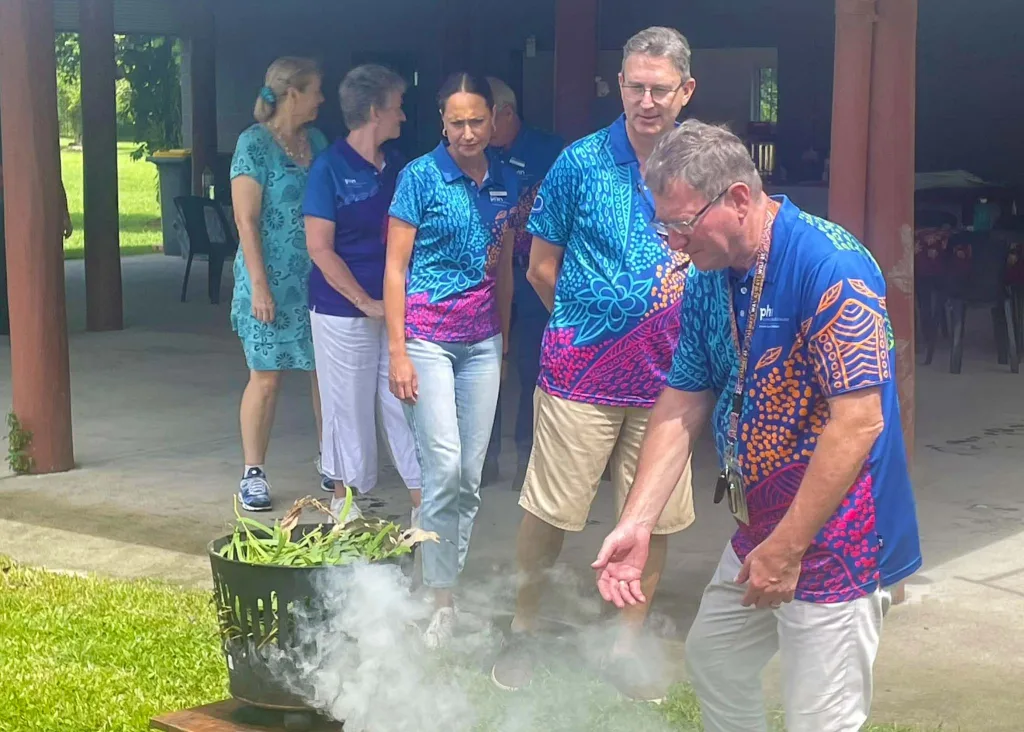
In 2025–26, NQPHN progressed important work to strengthen First Nations cultural safety and capability across the organisation.
Continue reading...
The Cultural Learning Survey, completed in March 2026, provided valuable insight into employee confidence, knowledge gaps, and learning needs. The qualitative feedback identified consistent themes, including a need for increased understanding of Aboriginal and Torres Strait Islander cultural practices and a strong interest in ongoing, locally relevant, and experiential learning.
These insights informed the development of a sustainable Cultural Learning Program designed to embed cultural capability across the employee lifecycle. The program will support onboarding, mandatory refresher learning, place-based education, collaborative social learning, and ongoing self-directed development. It focuses on building employee confidence, strengthening culturally safe engagement, and supporting respectful relationships with Aboriginal and Torres Strait Islander peoples, communities, and stakeholders across the region.
During the year, 86% of new employees completed the current First Nations cultural awareness program as part of onboarding and induction. Building on this foundation, a new cultural awareness orientation program is being developed to introduce employees to First Nations communities, stakeholders, and cultures across the NQPHN region.
The proposed Cultural Learning Plan 2026–2028 provides a strategic, culturally responsive approach aligned with NQPHN’s professional development framework, First Nations Impact Strategy, Strategic and Operational Plans, and First Nations Employment Strategy. By embedding cultural safety into everyday practice, NQPHN is supporting stronger partnerships, improved primary health outcomes, and its broader reconciliation commitments.
In this report
01
Home
Welcome to the NQPHN Annual Report for 2024-25.
02
Board Chair and CEO message
Reflections on the year and the road ahead.
03
About NQPHN
Our purpose, the Three Cs, and our values.
04
Our priority areas
Six priorities and the projects delivered under each.
05
Board and governance
How NQPHN is led and held to account.
06
Financials
A summary of income and expenditure for the year.
07
Good news stories
Impact from communities across the region